
Understanding the Basics of generateur 3D IA
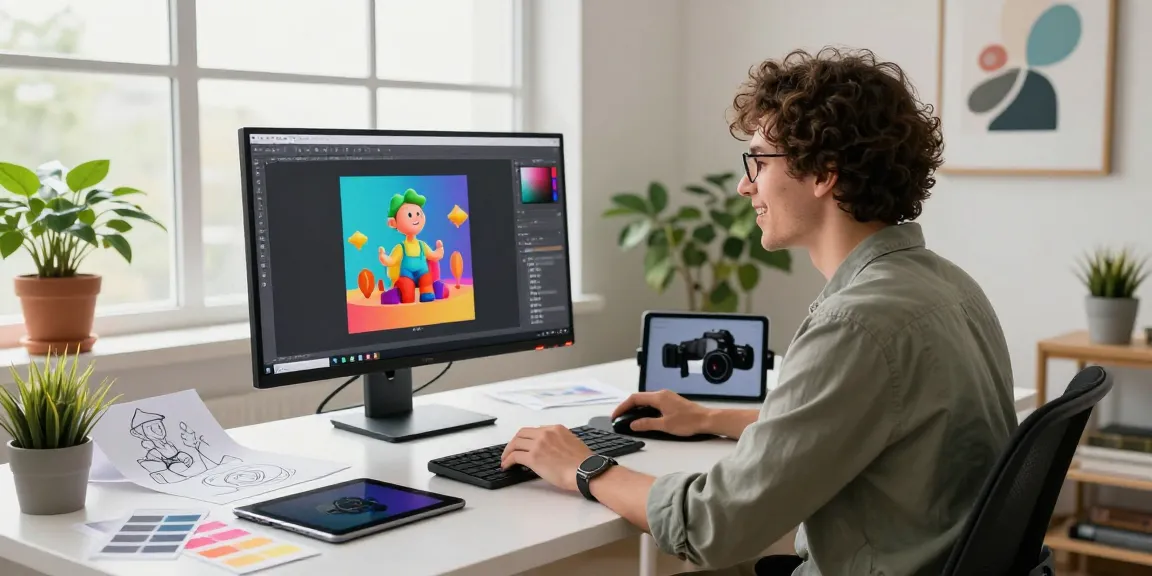
In the modern design landscape, the advent of technology has revolutionized traditional workflows, particularly in the realm of 3D modeling. The generateur 3D IA simplifies the process of creating intricate three-dimensional assets, making it accessible to professionals and newcomers alike. This transformation enables artists and developers to translate their visions into reality with unprecedented speed and efficiency.
What is a 3D AI Generator?
A 3D AI generator is a sophisticated software tool that employs artificial intelligence to convert text descriptions or 2D images into fully realized 3D models. By leveraging advanced algorithms and machine learning, these platforms can analyze input data and generate detailed assets ready for various applications, such as gaming, product design, and more. As the technology advances, the ability to create lifelike models and quickly iterate designs has never been easier.
Common Features and Benefits
3D AI generators come equipped with a plethora of features that streamline the modeling process. These include:
- Text-to-3D Conversion: Generate models from textual descriptions, making it easier for those without extensive modeling experience to create assets.
- Image-to-3D Conversion: Transform images into three-dimensional forms, which is particularly beneficial for designers looking to visualize concepts swiftly.
- Real-time Rendering: Many tools offer rapid rendering capabilities, allowing users to see their models in real-time and make adjustments as needed.
- Export Options: Users can typically export their creations in various formats (e.g., .FBX, .OBJ) suitable for different applications such as game engines or 3D printing.
- User-Friendly Interfaces: Designed to be intuitive, these platforms often require minimal technical know-how, broadening accessibility for all creators.
Importance of 3D Models in Various Industries
3D models have become indispensable across multiple sectors including:
- Game Development: Create immersive environments and characters that enhance player engagement.
- Product Design: Visualize prototypes and designs before physical production, saving time and resources.
- Education: Use 3D models to enrich learning experiences, providing students with interactive materials that visualize complex concepts.
- Architecture: Render structures in three dimensions to better convey designs to clients and stakeholders.
How to Effectively Use a 3D AI Generator
Step-by-Step Guide to Generating 3D Models
To create a 3D model using an AI generator, follow these steps:
- Choose Your Input Method: Decide whether you want to use text descriptions or 2D images.
- Prepare Your Input: Ensure your text is descriptive and concise, or select high-quality images that clearly represent the desired model.
- Configure Settings: Adjust any available parameters such as style, complexity, and output format.
- Generate the Model: Click on the generate button and wait for the AI to process your request.
- Review and Edit: Examine the output for accuracy and make any necessary adjustments.
- Export: Save your model in the desired format for your project.
Best Practices for Image and Text Input
To achieve the best results from a 3D AI generator:
- Use Clear Descriptions: For text input, be specific about colors, shapes, and textures you want the AI to include.
- Select High-Quality Images: When using images, ensure they are clear and the subject is easily identifiable.
- Experiment with Different Inputs: Try various descriptions and images to see which yields the best results.
Common Pitfalls to Avoid While Using generateur 3D IA
While the technology is powerful, users should be aware of common mistakes:
- Overloading Descriptions: Keep descriptions concise to avoid confusing the AI.
- Neglecting Settings: Users should pay attention to the configuration settings as they can significantly impact the output.
- Ignoring Export Compatibility: Always check that the output format is compatible with your intended use.
Real-World Applications of 3D AI Models
3D Models in Game Development
In game development, generating realistic characters and complex environments is crucial. AI-driven 3D generators can produce assets that are both visually appealing and functional, enabling developers to focus on gameplay mechanics rather than asset creation. This acceleration allows for faster production cycles and the ability to respond to feedback quickly.
Utilization in Product Design
Product designers benefit from 3D AI models by creating prototypes that can be tested virtually before any physical creation occurs. This reduces costs and allows for rapid iterations based on user testing and market feedback, thereby enhancing the design process.
Educational Uses of 3D AI in Learning Environments
By integrating 3D models into educational curriculums, educators can provide interactive lessons that engage students more effectively. Whether it’s anatomy in biology classes or architectural designs in art classes, the ability to visualize concepts in three dimensions enriches learning outcomes.
Evaluating Performance: Metrics and Success Indicators
Key Metrics for Assessing Model Quality
To evaluate the quality of generated 3D assets, consider metrics such as:
- Detail Accuracy: How well does the model match the input description or image?
- Poly Count: Is the model optimized for use in its intended environment, such as gaming or 3D printing?
- Texture Quality: Are the textures applied in a visually appealing and realistic manner?
How to Validate Your Generated 3D Assets
Validation of 3D assets can be done through:
- User Feedback: Present models to potential users or stakeholders and gather their opinions.
- Performance Testing: Test the models in their intended environment to see how they perform.
- Iterative Improvements: Based on feedback and testing, continuously refine and improve the models.
Feedback Loops for Continuous Improvement
Establishing a feedback loop is essential for the continuous enhancement of the generated models. Regularly collect user input, monitor performance metrics, and make necessary adjustments to the AI generator’s algorithms and your input methods.
Future Trends in 3D AI Generation by 2026
Emerging Technologies in 3D Modeling
The landscape of 3D modeling will continue to evolve with advancements in AI and machine learning. Expect to see innovations that allow for even more complex and realistic models generated from simpler inputs, making the process faster and more accessible.
The Growing Role of AI in Creative Industries
As artificial intelligence becomes more integrated into creative workflows, tools like 3D AI generators will empower artists to push the boundaries of creativity. The collaboration between humans and machines will likely lead to groundbreaking designs and innovative artistic expressions.
Predictions for 3D AI Integration in Workflows
By 2026, we can anticipate that 3D AI generators will be commonplace in design studios, educational institutions, and even freelance artist portfolios. The seamless integration of these tools into existing workflows will redefine how projects are approached, allowing for greater experimentation and faster turnaround times.
What formats can I export my 3D models to?
Most 3D AI generators support a range of export formats, including but not limited to FBX, OBJ, GLB, and STL. These formats are compatible with major 3D modeling software and game engines, ensuring versatility in use.
Can I use generated models for commercial projects?
Yes, generally, users retain full rights to their generated models, allowing for use in commercial projects. This includes integration in games, marketing materials, and product visualizations.
How does pricing work for using a 3D AI generator?
Pricing typically operates on a credit system, where each task or model generation consumes a certain number of credits. Depending on the complexity and desired output quality, the credit cost may vary.
Are there limitations to the AI models I can create?
While AI generators are powerful, they may have limitations based on the technical sophistication of the models required. More intricate designs may require manual adjustments post-generation.
What support resources are available for beginners?
Many AI platforms offer comprehensive support resources, including tutorials, user guides, and community forums, to assist beginners in navigating the tool and maximizing its potential.