Adalberto Drake
Life is unpredictable. Sometimes, even the best-laid plans change, and you might find yourself with tickets to an event you can no longer attend. Whether it’s a concert, sports game, or theater show, knowing the best place to sell tickets when plans must change can save you money and stress. In this article, we’ll explore practical ways to resell tickets, discuss the advantages and disadvantages of various platforms, and even draw a few useful comparisons to devices like the Echo Dot vs Echo Pop to help you make informed choices in life and tech.
Why Selling Tickets Online Makes Sense
Selling tickets online has become increasingly popular because it’s fast, convenient, and safe. You can reach a wide audience, and most platforms handle the tricky parts like payment processing and ticket transfer.
Benefits of Selling Tickets Online
- Convenience: You can sell tickets from the comfort of your home.
- Broader Audience: Online platforms attract buyers from different regions.
- Safety: Many platforms guarantee secure payment and ticket delivery.
- Price Control: You can set your own price or adjust it based on demand.
Think of selling tickets online like choosing between the Echo Dot vs Echo Pop. Each platform has unique features, just like each device offers different audio experiences. Selecting the right ticket platform is like picking the right smart speaker for your needs: convenience, quality, and budget matter.
Popular Platforms to Sell Tickets
When plans change, you need a reliable platform to resell your tickets quickly. Here are some top options:
1. Ticketmaster Resale
Ticketmaster is one of the largest ticket providers, and their resale service allows users to sell tickets safely.
Pros:
- Trusted by buyers and sellers
- Easy ticket transfer
- Integrated with the original purchase
Cons:
- Service fees may apply
- Limited to events listed on Ticketmaster
2. StubHub
StubHub is a well-known marketplace for event tickets. It allows sellers to list tickets and buyers to bid or purchase directly.
Pros:
- Large audience of buyers
- Seller protection for payouts
- User-friendly interface
Cons:
- Commission fees can reduce profit
- Payment may take several days
3. Vivid Seats
Vivid Seats focuses on concerts, sports, and theater tickets. They guarantee buyer and seller protection, making transactions secure.
Pros:
- Buyer and seller guarantees
- Easy-to-use mobile app
- Competitive fees
Cons:
- Slightly higher fees than other platforms
- Limited global audience
4. Social Media and Local Apps
Apps like Facebook Marketplace or Craigslist offer local ticket selling. This method can avoid some fees, but it requires caution.
Pros:
- No platform fees in most cases
- Direct communication with buyers
- Flexible pricing
Cons:
- Safety concerns with in-person exchanges
- Less exposure compared to large platforms
Tips for Selling Tickets Quickly
Selling tickets effectively requires strategy. Here are some tips to increase your chances:
- Price Strategically: Check what similar tickets are selling for and price competitively.
- Use Clear Photos and Details: Include the event name, date, seat location, and any perks.
- Promote Widely: Share your listing on multiple platforms to reach more buyers.
- Respond Quickly: Answer buyer questions promptly to secure the sale.
- Offer Digital Tickets: Electronic tickets are faster and easier to transfer than paper tickets.
Think of it like choosing between the Echo Dot vs Echo Pop. If your space is small and your budget is tight, the Echo Pop might be ideal, just like using social media for local ticket sales. If you want more features and reach, platforms like Ticketmaster resemble the Echo Dot’s enhanced capabilities.
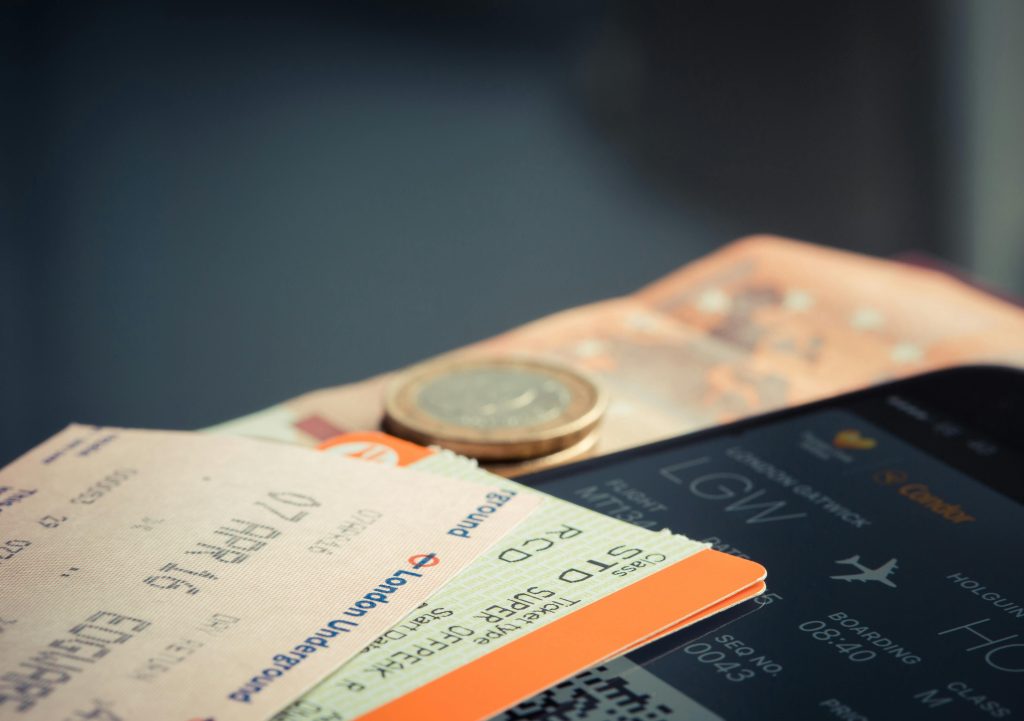
Case Study: Selling Concert Tickets
Let’s consider a real-life example. Sarah bought tickets to a popular pop concert, but her plans changed due to work. She listed her tickets on StubHub:
- Listing Price: $120 per ticket
- Sale Time: 24 hours
- Fees: 10% seller fee
- Payout: $108 per ticket
By using a trusted platform, Sarah avoided losing money and found a buyer quickly. The process was as simple as setting up her Echo Dot and connecting it to her smart home—user-friendly and efficient.
Choosing the Best Place to Sell Tickets
The “best” platform depends on your goals. Ask yourself:
- Do I want maximum exposure?
- Do I prioritize speed of sale?
- Am I willing to pay fees for convenience?
Quick Comparison Table
Real-Life Analogy: Tickets and Smart Speakers
Imagine your tickets are like smart speakers in your home. The Echo Pop is easy to place anywhere, budget-friendly, and gets the job done. Social media sales resemble the Echo Pop: simple, local, and cost-effective. Meanwhile, Ticketmaster or StubHub is like the Echo Dot: higher-quality features, better support, and more powerful tools, but with a higher cost. Knowing your priorities will guide your choice.
Tips to Avoid Common Mistakes
Selling tickets can be tricky. Avoid these pitfalls:
- Overpricing Tickets: Check similar listings to stay competitive.
- Ignoring Platform Rules: Always follow the platform’s guidelines to avoid cancellation.
- Neglecting Security: Meet buyers in safe locations or use secure electronic transfers.
- Late Listings: List tickets as soon as possible; early listings attract more buyers.
Conclusion
Selling tickets when plans change doesn’t have to be stressful. By choosing the right platform, setting competitive prices, and prioritizing security, you can turn an inconvenience into an opportunity. Remember the lesson from the Echo Dot vs Echo Pop comparison: your choice depends on your needs, space, and budget. Whether you pick a simple local option or a large, feature-rich platform, the key is knowing what matters most for your situation. With the right approach, you can sell your tickets quickly and safely, ensuring that a change in plans doesn’t cost you financially or emotionally. Click here to return to the homepage and unlock more content.
FAQs
What is the fastest way to sell tickets when plans change?
The fastest way is to use a trusted online platform like StubHub or Ticketmaster, which offers instant listing and a wide audience for buyers. Digital tickets ensure quick transfers and faster payments.
Are there any fees for selling tickets online?
Yes, most platforms charge fees that can range from 5% to 15% of the ticket price. These fees cover payment processing, buyer protection, and secure delivery. It’s important to factor fees into your pricing.
Can I sell tickets locally instead of online?
Yes, platforms like Facebook Marketplace or Craigslist allow local sales. While this avoids platform fees, you must take safety precautions when meeting buyers in person and ensure secure payment methods.




 admin
admin